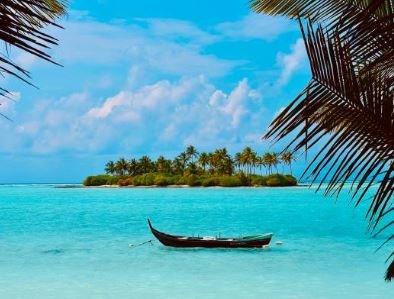
A Lakshadweep travel guide is your gateway to the Arabian Sea’s most exclusive frontier, where emerald lagoons and strictly regulated entry ensure a pristine experience that the Maldives can no longer claim.
Namaste, I am Prakash. For over a decade, I have guided my guests through the soul of India, moving beyond the noise of mass tourism toward something I call Hospitality, not Tourism. The Lakshadweep islands are undeniably my favorite secret to share. Unlike the over-commercialized resorts nearby, these 36 coral atolls offer a “Slow Travel” sanctuary. If you are seeking deep silence, artisan seafood, and private coral reefs, then let me show you how to navigate this fragile paradise with the grace it deserves.
What is the best time for a trip to Lakshadweep?
The optimal window for a Lakshadweep travel guide experience is specifically between October and mid-May. During these months, the Arabian Sea remains calm, ensuring smooth boat transfers between Agatti and Bangaram, and offering 30-meter visibility for divers.
While the winter months (October to March) offer the crispest air, don’t overlook April. During this “shoulder” period, the water temperature is like silk, furthermore you’ll find fewer travelers. Avoid the June-to-September monsoon, because the sea is too spirited even for the most seasoned sailor, and many inter-island flights are restricted at this time.
2026 Seasonal Travel Matrix for Lakshadweep
| Season | Months | Visibility | Vibe | Best For |
| Peak | Oct – Mar | Excellent | Vibrant | Sailing & Scuba |
| Shoulder | Apr – May | Good | Quiet | Romantic Escapes |
| Monsoon | Jun – Sep | Low | Dramatic | Not Recommended |
Foreigner Tourists : Lakshadweep Travel Guide
Lakshadweep is a protected ecological zone, meaning it isn’t a “show up and explore” destination. For this reason, the entry process for non-Indian citizens is rigorous but manageable with the right preparation.
| Requirement | Details |
| Open Islands | Agatti, Bangaram, and Kadmat |
| Primary Document | Restricted Area Permit (RAP) |
| Visa Type | Valid Indian Tourist Visa (Standard) |
| Processing Time | 10–15 Working Days |
| Booking Window | Minimum 30 days in advance |
Entry Requirements and Regulations for Lakshadweep for Foreigners (2026)
Restricted Access and Island Availability
Access to the Lakshadweep archipelago is strictly regulated to protect the region’s fragile coral ecosystem and indigenous culture. As of 2026, international tourists are permitted to visit and stay on the following islands: Agatti, Bangaram & Kadmat. All other islands within the territory remain restricted for foreign nationals to ensure environmental preservation and cultural conservation.
Permit Sponsorship (Restricted Area Permit)
Foreign travelers cannot apply for a Lakshadweep entry permit independently. Under current regulations, visitors must be sponsored by an authorized resort or a registered tour operator (e.g., India Magica Tours). The sponsoring entity is responsible for facilitating the Restricted Area Permit (RAP) on behalf of the traveler.
Documentation and Visa Requirements for Lakshadweep
Entry is contingent upon the possession of specific travel documents. Travelers must ensure they meet the following criteria:
Passport: A valid international passport is mandatory.
Visa Status: Visitors must hold a standard Indian Tourist Visa.
Exclusions: Business visas or other specialized visa categories are generally not recognized for entry into the Union Territory.
Processing Time: The RAP application process typically requires a lead time of 15 to 30 days. It is recommended that travel arrangements be finalized well in advance to account for these administrative timelines.
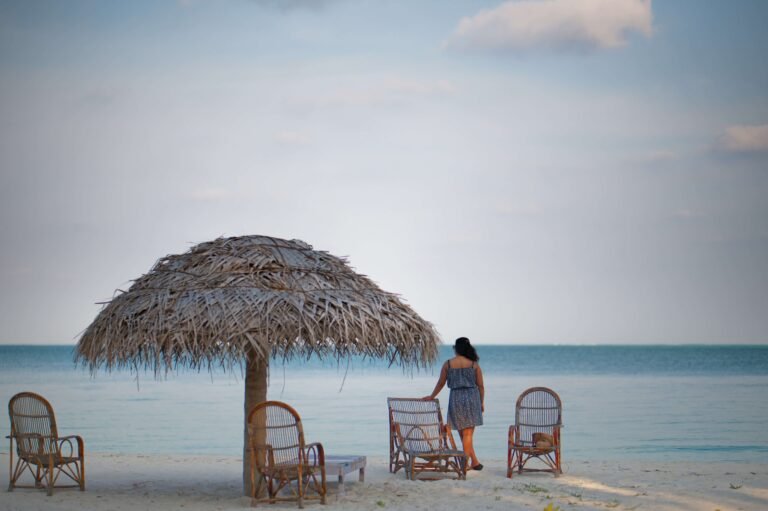
Arrival Protocol
Print Everything: Always carry 3 physical copies of your permit since digital versions are often not accepted at checkpoints.
Departure Check: You must present your RAP at the airport or pier (usually in Kochi) before boarding your flight or ship.
Final Entry: Lastly your permit will be verified one last time upon arrival at the Agatti jetty.
How do I get a permit for Lakshadweep?
To get a Lakshadweep permit (RAP) in 2026, you must be sponsored by an authorized resort or tour operator like India Magica Tours. Permits cannot be obtained independently and require a valid Indian Tourist Visa and 15–30 days of processing time.
Foreign nationals must obtain a Restricted Area Permit (RAP) via sponsorship from an authorized resort or tour operator, as independent applications are prohibited. Requirements include a valid passport, a standard Indian Tourist Visa, and a confirmed accommodation booking. The sponsor facilitates the application, which typically requires 15 to 30 days for processing. Once issued, the permit grants access only to the designated islands of Agatti, Bangaram, or Kadmat.
At India Magica Tours, we specialize in managing these complex administrative hurdles for Lakshadweep permits. We act as your official sponsor, handling the entire RAP application process so that your “VIP pass” to paradise is ready and waiting before you even leave home.
Which islands offer the most exclusive experiences in Lakshadweep?
Above all, Bangaram and Thinnakara are the premier choices for our guests in Lakshadweep travel. These largely uninhabited islands offer secluded eco-villas, private beach dining, and bioluminescent waters, providing a level of privacy that is increasingly rare in global travel.
Agatti Island: Your stunning arrival point. The runway is a narrow strip of white sand surrounded by neon-blue water.
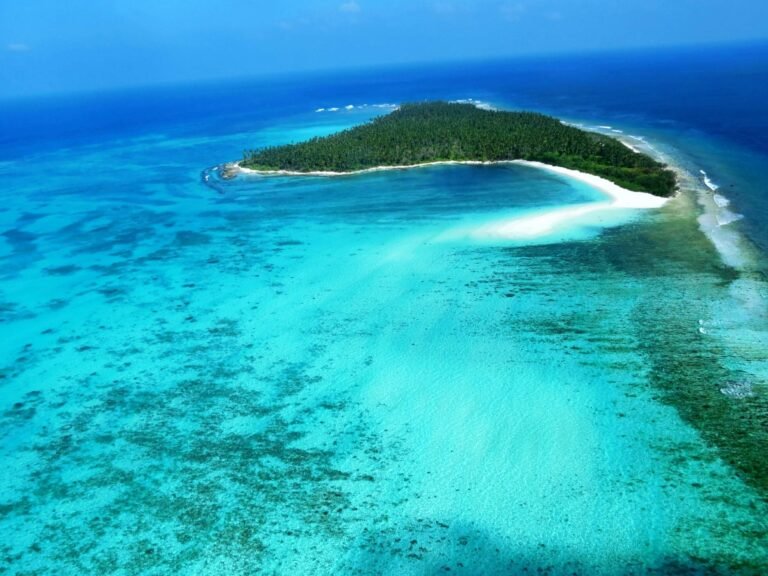
Bangaram Atoll: A tear-drop shaped sanctuary. There are no crowds here—only the sound of the reef. Significantly, It is one of the few islands where alcohol is served at the resort, making it the top choice for international connoisseurs.
Minicoy: Further south, with a distinct Maldivian-influenced culture. Visit the 1885 British-built lighthouse; the view from the top is a masterclass in oceanic blues.
Kavaratti: The administrative heart. It is perfect for those who want to see the Marine Museum and local mosques with intricate wood carvings.
Which is better: Bangaram vs. The Maldives?
| Feature | Bangaram Island (Lakshadweep) | The Maldives |
| Exclusivity | Ultra-Private: Strictly regulated permits; often fewer than 60 guests on the entire island. | High-Volume: Thousands of beds across hundreds of commercialized resorts. |
| Coral Integrity | Pristine: Among the world’s healthiest reef systems with 30m+ visibility. | Varying: Many house reefs face pressure from heavy boat traffic and over-tourism. |
| Architecture | Eco-Conscious: Low-impact luxury villas designed to blend into the palm groves. | Ultra-Modern: Over-water villas and underwater structures that prioritize “Instagrammability.” |
| The “Soul” Factor | Authentic: Deep cultural connection and personalized hospitality (Ospitalità). | Commercial: Standardized international service that can feel detached from local roots. |
| Sustainability | Strict: Zero-plastic initiatives and severe limits on human footprint to protect the atoll. | Challenged: High energy consumption and waste management struggles due to scale. |
While the Maldives is the world’s most famous island destination, Lakshadweep offers a more secluded, “slow” luxury that remains untouched by mass commercialization. This table highlights why the discerning traveler is choosing the Arabian Sea’s hidden atolls in 2026.
Is Lakshadweep a sustainable luxury destination?
Yes, sustainability is the core of the Lakshadweep travel guide. The government strictly limits bed counts in order to prevent over-tourism. Consequently. travelers are encouraged to practice “Conscious Tourism” by avoiding single-use plastics and respecting the delicate coral ecosystems.
When you sit down for a meal with us, you’ll notice the difference. You won’t find mass-produced buffet lines. Instead, you will taste Tuna Maas—a sun-dried tuna delicacy prepared with freshly grated coconut and bird’s eye chilies grown in a backyard. This is the “Prakash Edge”: knowing that the best luxury isn’t imported; it is the local hand-pressed coconut oil and the fish caught by a friend just an hour before sunset.
Quick Facts for the Discerning Traveler
Connectivity: Expect a digital detox. Seeing that, 5G hasn’t reached these shores yet; enjoy the silence.
Currency: Also, carry Indian Rupees (INR) for local artisan crafts.
Dress Code: With attention to local culture, please keep shoulders and knees covered on inhabited islands. However, on private resort islands like Bangaram, standard swimwear is perfectly fine.
Local Secret: Furthermore, arrive at the Agatti lagoon at exactly 4:45 PM. At this point, the light hits the water at an angle that reveals sea turtles surfacing for air..
I invite you to experience the India I love—the one that exists in the quiet spaces between the waves. As your Travel Architect, I don’t just book rooms; I open doors to a world that remains authentically itself.
Let me guide you into the heart of the islands.
Contact me today for a personalized 2026 luxury Lakshadweep travel guide consultation.
Prakash
India Magica Tours
FAQs
Can I fly directly to Lakshadweep from Delhi or Mumbai?
Currently, all flights to Agatti (the only airport) must transit through Kochi (COK). We recommend an overnight stay in a restored heritage villa in Fort Kochi to prepare for the island’s slower pace.
Is Lakshadweep safe for solo female travelers or families?
It is one of the safest regions in India. The community is tight-knit and incredibly welcoming. With our private “Host” service, you have a 24/7 bridge between you and the local customs.
What is the difference between Lakshadweep and the Maldives?
The Maldives is about “over-water” luxury; Lakshadweep is about “raw” luxury. If you prefer a 500-room resort, go to Male. If you want a private island with only 30 other guests and untouched coral, Lakshadweep is your home.
Are there ATMs on the Lakshdweep islands?
ATMs are only available on Kavaratti and Agatti, and they frequently run out of cash. As part of our service, we ensure all your major costs are pre-handled so you only need a small amount of pocket money.
Do I need a guide for snorkeling in Lakshdweep?
While the lagoons are shallow, I always provide a local expert. They don’t just keep you safe; they show you the hidden “clownfish cities” and eagle ray nurseries that casual tourists miss.